March 5, 2026 | Post By BROZ
How AI Is Changing Design Workflows (Without Replacing Designers)
Let’s be real — “AI is taking over design” sounds scarier than it really is. Scroll through social media and you’ll see plenty of dramatic takes about robots pushing designers out of work. But step into a design studio right now, and what you’ll actually find is designers using AI like a turbocharged sketchbook — not a replacement, but an amplifier.
Think of it this way: AI isn’t here to steal the creative spark. It’s more like that super-organized intern who never sleeps. It’ll mock up prototypes in seconds, test color combos faster than you can refill your coffee, and help you brainstorm ten variations of a layout before you’ve finished one. It’s assistance at hyper speed, not automation of your imagination.
What’s really changing is how designers spend their time. Instead of slogging through repetitive tasks — resizing ads, generating wireframes, cleaning assets — AI tools are freeing people up to focus on the part that matters: ideas, strategy, storytelling. The workflows are shifting from “craft every pixel” to “orchestrate the direction,” and that’s a big deal.
Tools like Figma’s AI features, Adobe Firefly, and OpenAI’s latest design integrations are already blending into the everyday design toolkit. They make ideation quicker and exploration deeper. You type in a mood or theme, and suddenly you’ve got dozens of visual directions to tweak. It’s inspiration on-demand — but designers still decide which idea has soul.
The best part? Collaboration is hitting a new level. Teams can now generate concepts in real time, iterate faster during feedback sessions, and even simulate how users might respond before testing begins. That means less guessing, fewer endless feedback cycles, and more momentum toward something that feels right.
But AI also challenges designers to level up. If a model can generate competent visuals, the human edge moves toward why something should exist and how it should make people feel. Great design becomes more about judgment, storytelling, and emotional intelligence — things no algorithm can truly fake.
Of course, there’s a learning curve. Tools evolve weekly, and workflows that were cutting-edge last year already feel dated. But that’s nothing new in design. Every shift, from hand lettering to Photoshop, from static mockups to responsive design, came with fear at first. Then it became second nature. AI is just the next chapter in that same story.
So no, AI won’t replace designers. It’ll replace some of the boring parts, challenge the lazy parts, and push the craft forward. The designers who learn to collaborate with AI instead of compete against it? They’ll be the ones shaping the next era of creativity.
Because creativity has never been about the tools. It’s about taste, intuition, and care — all the things humans have always brought to design. AI just helps us get there faster.
***
Would you like me to add recommended subheadings and SEO keywords (for example, “AI design workflow,” “creative process,” “design automation”) to make it blog-ready for search engines?
At Broz, we celebrate the irreplaceable value of traditional design. While AI may serve as a helpful tool to inspire or assist, it cannot replicate the uniquely human elements—intuition, empathy, originality, and collaboration—that truly great design requires.

RECENT DESIGN PROJECTS
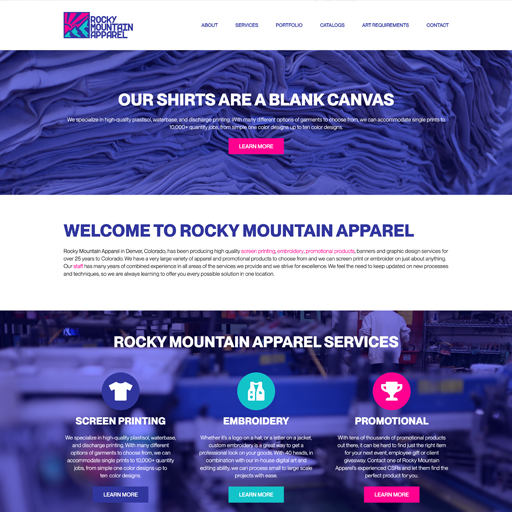
Click on the thumbnails below to preview Broz’s recent completed design projects.
Le Petit Bijou Azur
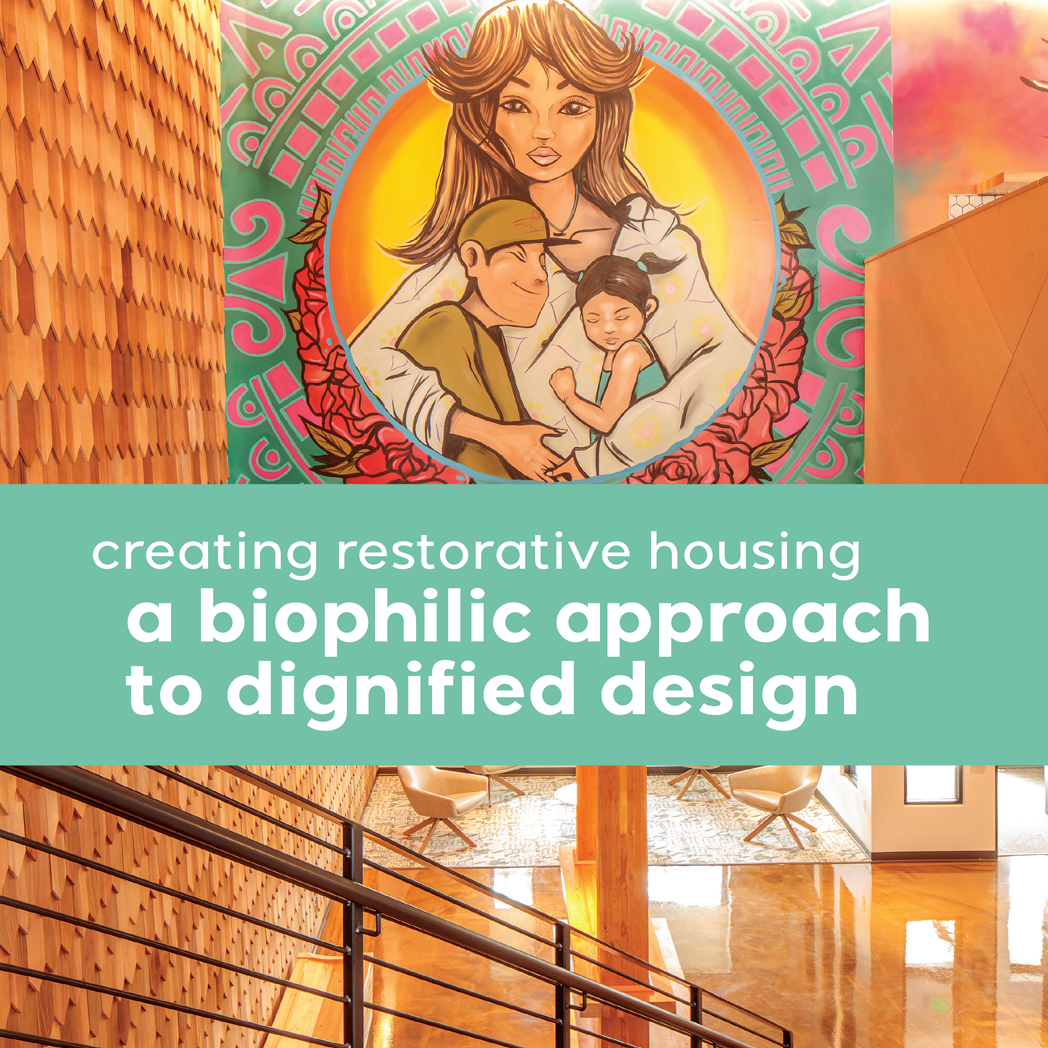



Sitka Bazaar