July 20, 2026 | Post By BROZ
Why Design Templates Are Everywhere — and When They’re Actually a Bad Idea
Open any website design marketplace and you’ll find thousands of templates promising a finished site in an afternoon. Squarespace has them. WordPress has them. Canva has turned templated design into a daily habit for millions of people who’ve never opened a design program in their life. None of this is an accident. Templates solve a real problem — speed, cost, and the fear of a blank canvas — and for a huge number of businesses, they’re a perfectly reasonable place to start.
The appeal is easy to understand. A template gives you structure before you’ve made a single decision. The grid is already built, the spacing already works, the typography has already been paired by someone who knows what they’re doing. For a solo founder trying to get a landing page live before a launch date, that’s not a compromise — that’s the whole point. Templates exist because most projects don’t need to reinvent layout from scratch, and pretending otherwise wastes time and money that could go toward the parts of the business that actually need it.
Templates also lower the risk of a bad decision. A well-built template has usually been tested across screen sizes, browsers, and use cases long before it reaches you. That’s real value, especially for a business that just needs something functional and professional without a six-week design process behind it. There’s no shame in that. Broz builds fully custom, mobile and device responsive sites every day, but we’d be lying if we said every client needs one.
So Where Does it Go Wrong?
The trouble starts when a template stops being a starting point and becomes the whole strategy. A layout built to be generic enough for ten thousand different businesses can’t also be the thing that makes your business look different from the one down the street. If your competitor is one plugin install away from the exact same homepage, your “brand” isn’t really doing any branding. It’s decoration sitting on top of someone else’s decisions.
This matters most in branding and first impressions. A logo mark dropped into a stock template header doesn’t tell a customer anything about who you are — it tells them you found the fastest way to look like everyone else. We’ve talked before about how branding isn’t just visual; it’s voice, experience, and consistency. Templates are built to be neutral. They have no voice. That’s fine for a placeholder. It’s a liability for a brand that’s actually trying to say something.
Templates also fight back the moment your content doesn’t fit their assumptions. Built a template around three feature blocks and a hero image, but your business actually needs to explain a complicated service, walk someone through a multi-step process, or show off a large graphic design portfolio? You’ll spend more time bending the template to your content than you would have spent designing something that fit the content in the first place. That’s the hidden cost of “fast” — it’s only fast until reality doesn’t match the box you started with.
There’s a technical cost too. Templates are often bloated with code and features you’ll never use, built to serve every possible customer instead of yours specifically. That extra weight slows down load times, complicates SEO, and makes future changes harder because you’re editing around someone else’s architecture instead of one built for your actual site.
None of this means templates are bad. It means they’re a tool, and like any tool, they’re only right for certain jobs. A template is a smart move when you need something live fast, when your budget doesn’t support custom design yet, or when the site’s job is simple and doesn’t need to carry much brand weight. A template is the wrong move when your brand identity is the thing you’re trying to sell, when your business model doesn’t look like everyone else’s, or when you’ve outgrown the “good enough” phase and started losing customers to competitors who clearly invested in how they present themselves.
The real question isn’t template versus custom. It’s whether the design in front of you is actually working for your business, or whether your business is quietly working around the design. At Broz, that’s the conversation we have with every client before we ever open a design file — because the goal was never to fill a page. It was always to build something that’s actually yours.

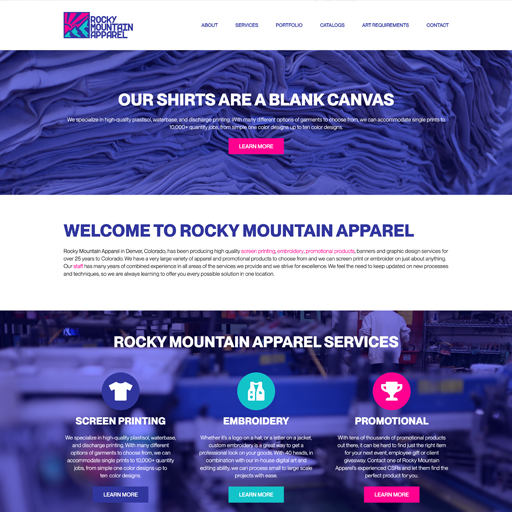
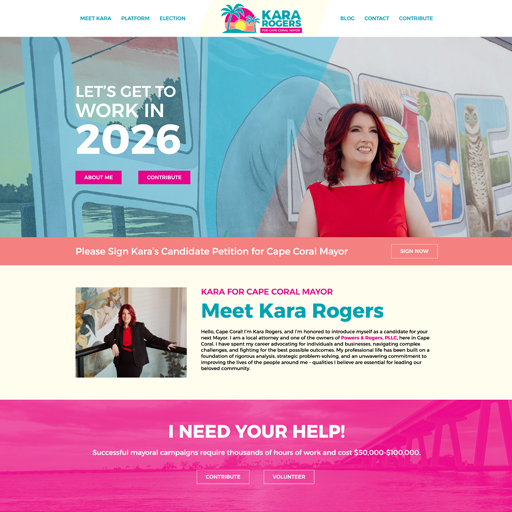
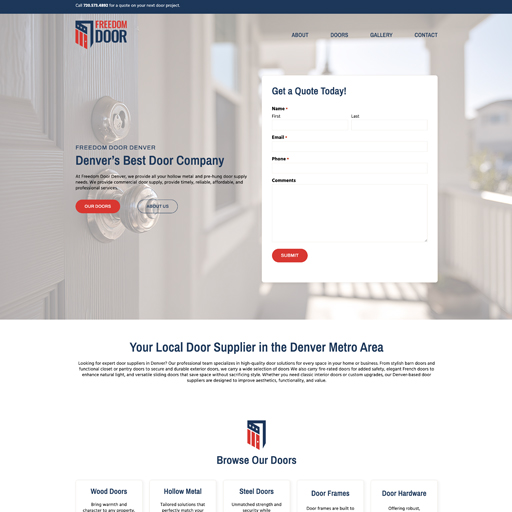
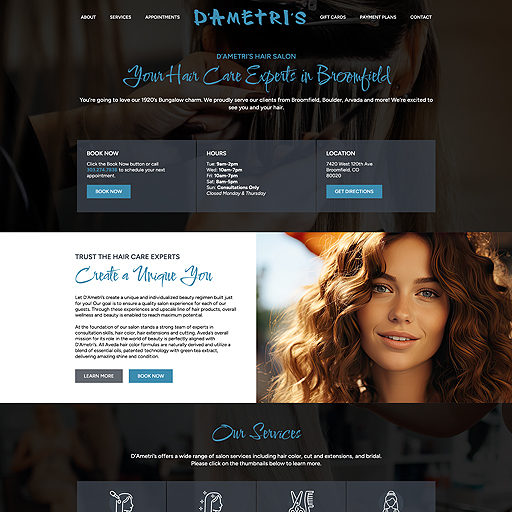
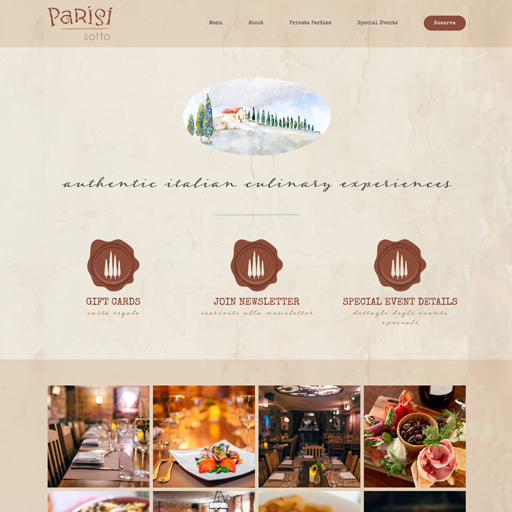
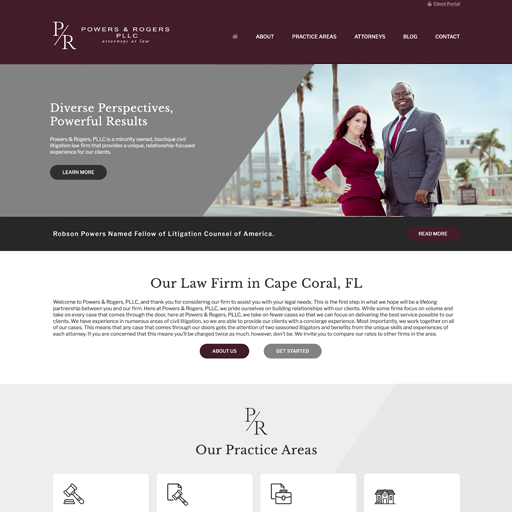
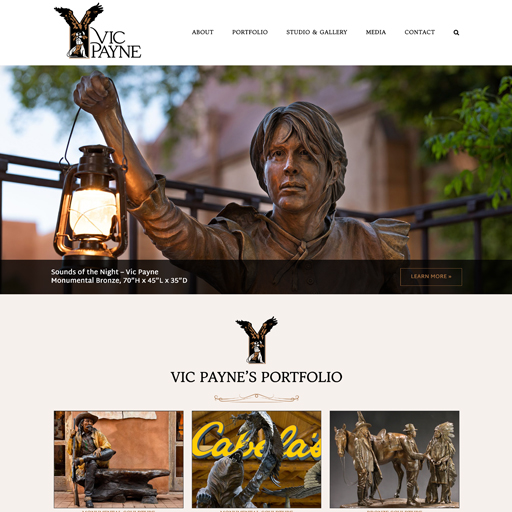
RECENT WEB DESIGN PROJECTS
Click on the thumbnails below to preview Broz’s recent completed web design projects. For a full listing of the Broz website design portfolio, please click here.