March 29, 2026 | Post By BROZ
Design Trends vs. Design Principles: What Actually Ages Well?
Design is always moving. One year it’s all about brutalist typography and neon gradients, the next it’s soft minimalism and muted palettes. If you’re a creative—you’ve probably felt the pressure to “keep up.” But underneath all the noise is a more important question: what actually lasts? The answer lies in understanding the difference between design trends and design principles.
Design trends are the surface-level shifts you see across websites, branding, and social media. Think glassmorphism, oversized type, 3D icons, or that brief obsession everyone had with gradients that looked like a sunset melting into a screensaver. Trends are exciting because they signal relevance. They show that you’re paying attention, that your work feels current. But by definition, trends are temporary. What looks cutting-edge today can feel dated in a year; or even months.
Design principles, on the other hand, are the foundation. These include things like hierarchy, contrast, balance, alignment, and usability. They’re not tied to a specific aesthetic or era. Good principles are rooted in how humans perceive and process information. That’s why they endure. A well-structured layout from 20 years ago can still feel intuitive today, even if the colors or typography feel outdated.
The tension between trends and principles is where a lot of designers get stuck. Lean too hard into trends, and the work risks aging fast. Ignore trends completely, and your designs can feel stale or disconnected from the present. The goal isn’t to choose one over the other—it’s to understand their roles. Trends are tools for expression; principles are tools for clarity.
What actually ages well is design that prioritizes principles first and uses trends selectively. For example, a clean layout with strong hierarchy and thoughtful spacing will hold up over time. If you layer in a trendy color palette or animation style, it can feel fresh without becoming disposable. When the trend fades, the core structure still works and you just swap out the surface details.
You can see this in brands that evolve successfully over time. They don’t reinvent everything with every trend cycle. Instead, they refine. Logos get simplified, not completely replaced. Interfaces get cleaner, not more complicated. The underlying system remains intact, which allows them to adapt without losing identity. That’s the power of principle-driven design.
Another factor that determines longevity is purpose. Designs that are built to solve real problems tend to last longer than those created purely for aesthetic impact. When something is easy to use, easy to understand, and aligned with its audience, it doesn’t need constant reinvention. Trends might enhance it, but they’re not what make it work in the first place.
There’s also a confidence factor. Designers who understand principles don’t feel the need to chase every new style that pops up on their feed. They can evaluate trends critically and ask whether something adds value or just noise. That confidence shows in the work. It feels intentional rather than reactive, which is a big part of what makes design feel timeless.
So what should you do as a designer or creator? Study trends, but don’t depend on them. Build your work on solid principles, then experiment on top of that foundation. Think of trends as seasoning, not the main ingredient. When you approach design this way, your work won’t just look good today—it’ll still hold up tomorrow, next year, and beyond.
At Broz, we believe great design stands the test of time by being rooted in principles, not fleeting trends. While trends can add energy and relevance, it’s the human ability to create clarity, balance, and meaning that ensures design remains impactful long after the hype fades.

RECENT DESIGN PROJECTS
Click on the thumbnails below to preview Broz’s recent completed design projects.
Le Petit Bijou Azur
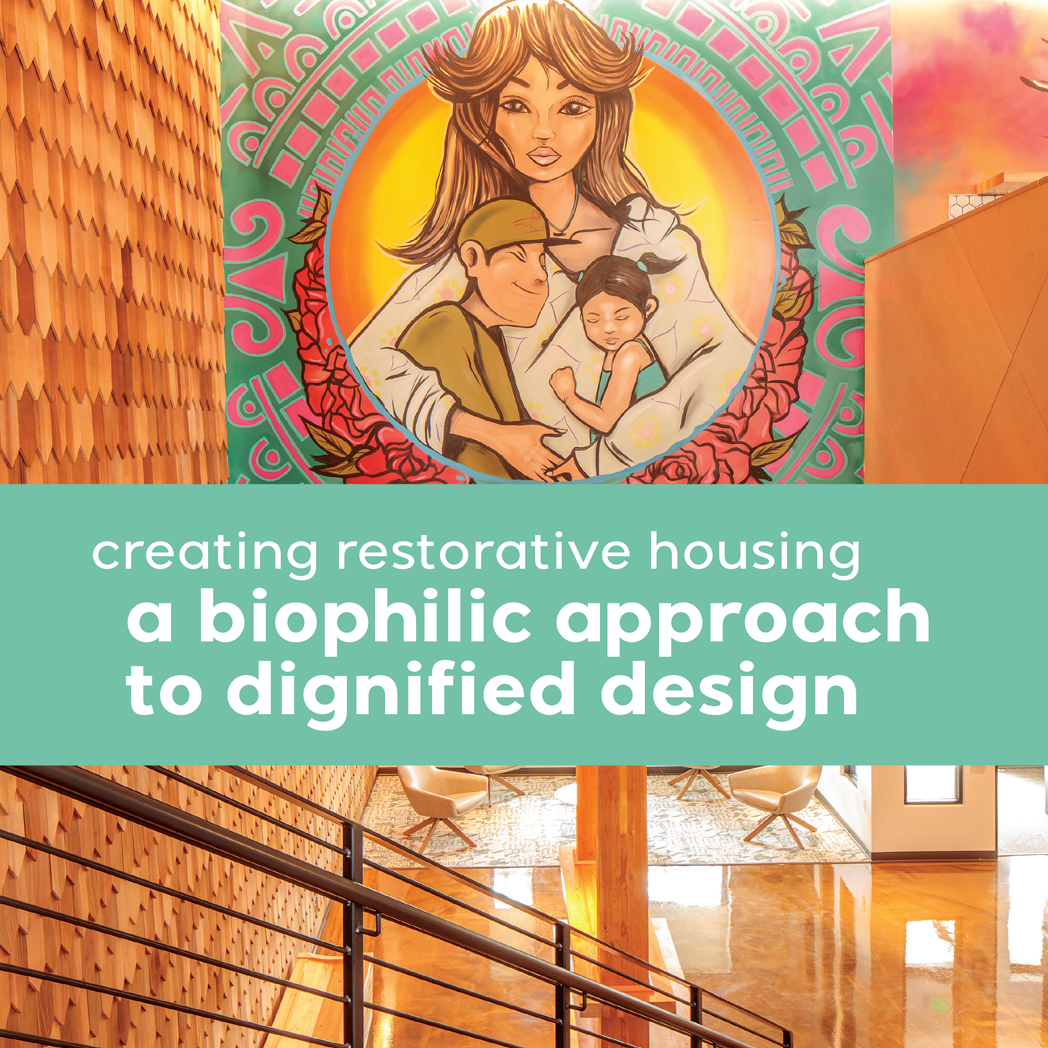


Sitka Bazaar